Viewer choices stay hidden
Aggregate watch time does not show which viewer chose a product, opened pricing, or answered a question.
Interactive video for marketing
Let viewers choose what interests them, answer questions, explore products, submit their information, and click the next step without leaving the video.
What views miss
Standard video analytics show plays and watch time. They do not show individual choices, answers, or clicks.
Aggregate watch time does not show which viewer chose a product, opened pricing, or answered a question.
A viewer must leave the player before they can submit an email address or request more information.
The play is stored in video analytics while later form submissions and clicks are stored in other tools.
Inside the video
Show different content, collect information, and record each answer or click.
Choice
Ask what a viewer wants to see and show the product, topic, or path they select.
Capture
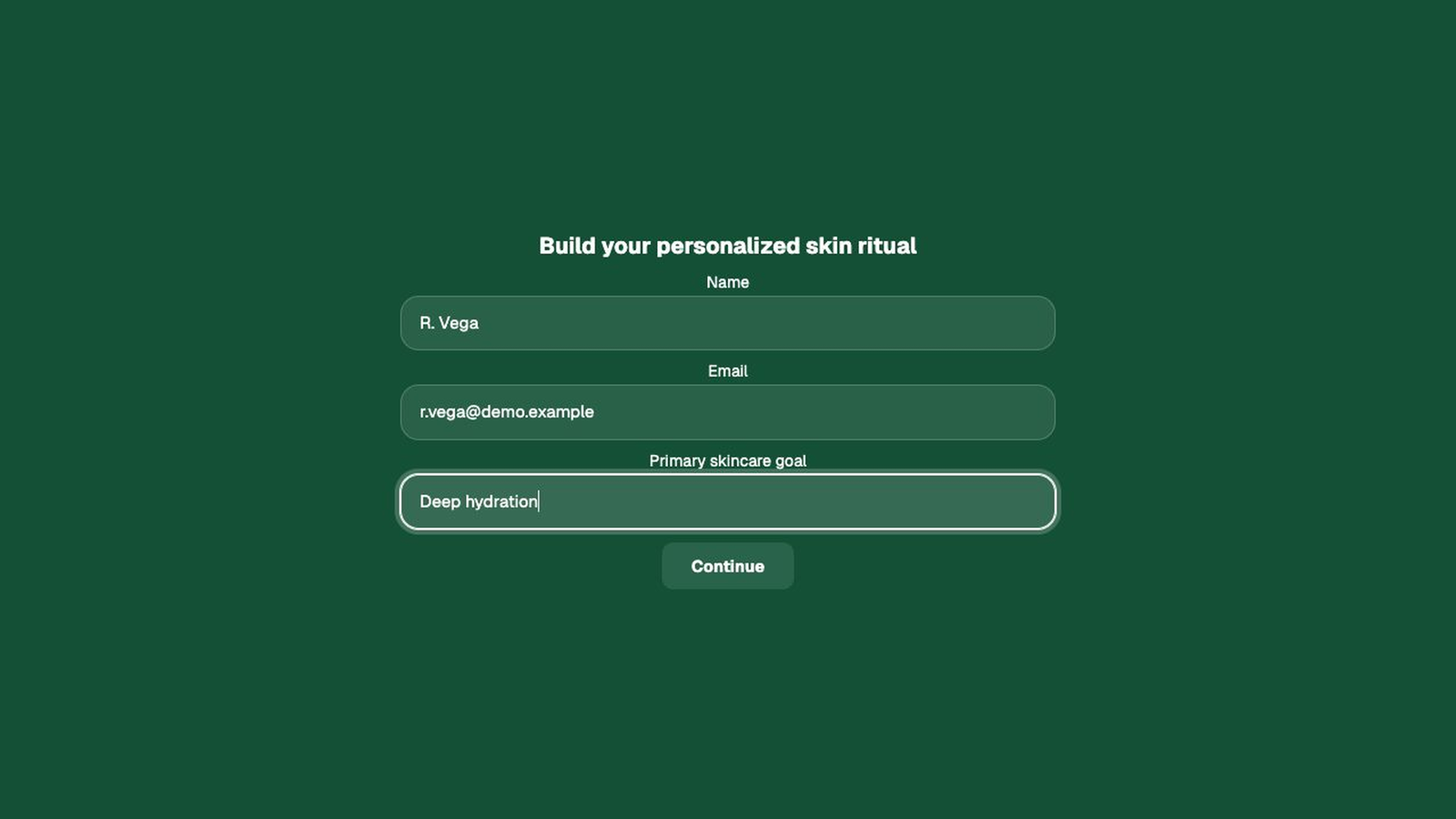
Place a form at any timecode and keep the viewer in the video while they submit it.
Next step
Place a link, download, booking calendar, or checkout action at the relevant point in the video.
The report
Views tell you how many people watched. Mindstamp shows what they chose, clicked, answered, and acted on.
Standard video analytics
12,400 plays
Views and average watch time show reach. They do not tell you what individual viewers were interested in.
Mindstamp viewer report12,400 viewers
+ 12,398 more viewers
Customer example
A skincare brand asks viewers about their skin type inside the video, recommends the matching product from the answers, and links straight to checkout.

Marketing use case directory
Explore product tours, lead capture, shopping, landing pages, interaction tests, and webinar paths.
Let prospects pick the features they care about and skip the ones they do not.
Explore →Place forms in the video and send each submission to your CRM.
Explore →Tag products in the frame and move viewers from the video to the cart.
Explore →Ask a question, collect an email, or open the next page from the video.
Explore →Compare CTA wording, placement, and timing against real interaction data.
Explore →Divide a long recording into chapters and let viewers choose the topics they want.
Explore →We've recently switched to Mindstamp from another platform and couldn't be happier! The editing process for adding interactive button and hotspots is simple and intuitive.
Marketing FAQ
How forms, CRM data, existing campaign videos, and calls to action work.
Yes. Contacts, answers, and interaction events pass to HubSpot, Zapier, or a webhook, so the lead arrives with its context attached.
It can. You control the gate position, so you can place it after useful content or make the email request optional.
Yes. Interactions are added on top of the existing file. Upload it or connect it from Vimeo or Wistia. YouTube links are for testing only, not published campaigns.
Each click, answer, and form submission includes its interaction and timecode, so you can compare placements with real data.
No. The same interactions run on webinars, ads, landing page video, customer stories, and launch content.
Start with one asset
Start with an existing campaign video, place a form or call to action in it, and review each submission and click.